
How to Grow Healthier, Organic Vegetables with Natural Plant Partnerships
Companion planting is one of the most powerful and time-tested techniques in organic gardening. By carefully matching certain plants together, you can reduce pests, boost yields, improve soil health, and even make your garden look more beautiful. In this guide, we’ll explore what companion planting is, why it works, and how you can use it to create a thriving vegetable garden without chemicals or complicated systems.
Whether you’re a beginner gardener or someone with years of experience, companion planting is a simple strategy that can make a big difference in your results.
What Is Companion Planting?
Companion planting is the practice of growing different plants close together so they can benefit each other. Instead of thinking of your garden as rows of single crops, you treat it as a community where each plant plays a role.
Some companions deter pests with their scent, while others attract pollinators or beneficial insects. Deep-rooted plants bring up nutrients for shallow-rooted neighbors, and sprawling crops like squash act as living mulch to shade the soil and reduce weeds.
It’s nature’s way of teamwork—and it works surprisingly well in the vegetable garden.
Benefits of Companion Planting
- Natural Pest Control – Herbs like basil, mint, and rosemary confuse pests and protect vegetables.
- Better Pollination – Flowers such as marigolds and calendula attract bees and butterflies.
- Improved Soil Fertility – Legumes enrich soil with nitrogen for leafy greens.
- Efficient Space Use – Tall crops like corn support beans, while squash shades the soil.
- Bigger Harvests – Companion plants often produce healthier and more abundant crops.
Classic Companion Planting Combinations
Tomatoes and Basil
Basil improves the flavor of tomatoes and repels pests like tomato hornworms.
Carrots and Onions
Onions deter carrot flies, while carrots repel onion flies—a perfect partnership.
Corn, Beans, and Squash (The Three Sisters)
An ancient Native American system: corn supports beans, beans enrich the soil, and squash covers the ground to block weeds.
Cabbage and Dill
Dill attracts predatory insects that protect cabbages from worms.
Radishes and Cucumbers
Radishes act as trap crops, luring beetles away from cucumbers.
Plants That Don’t Get Along
- Tomatoes and Potatoes – Both attract blight as they are from the same family.
- Beans and Onions – Onions stunt bean growth.
- Cabbage and Strawberries – Compete for nutrients and space.
Flowers and Herbs as Companions
- Marigolds – Deter nematodes, aphids, and whiteflies. They also attract hoverflies – the larvae of whom eat greenfly and aphids.
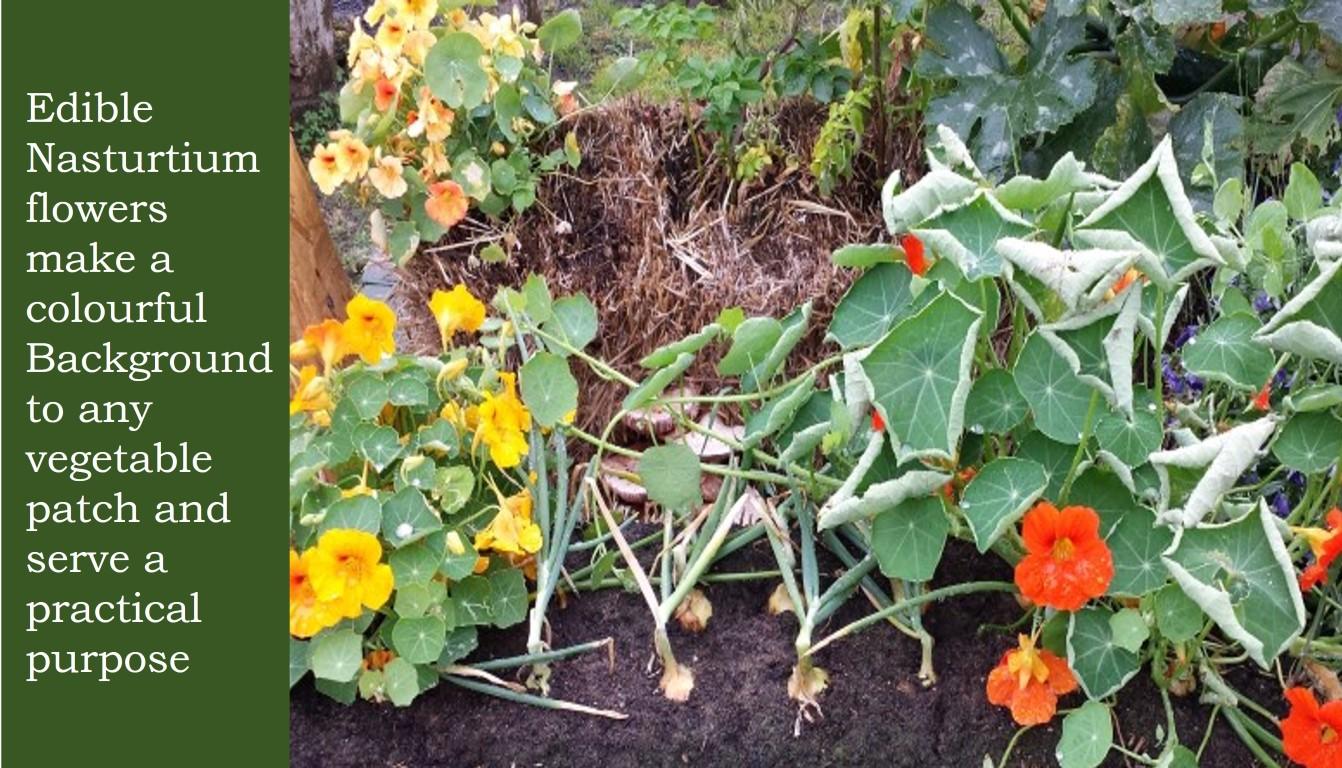
- Nasturtiums – Act as ‘trap’ or sacrificial crops, luring slugs away from beans, tomatoes and other vegetable plants.
- Calendula – Attracts pollinators and beneficial insects.
- Rosemary, Thyme, Sage – Repel cabbage moths and carrot flies.
Practical Tips for Getting Started
- Start Small – Try simple combinations like tomatoes with basil.
- Rotate Crops – Prevent soil-borne diseases.
- Think in Layers – Mix tall, medium, and ground-cover plants.
- Use Containers – Companion planting works in pots too.
- Observe and Experiment – Adjust to your own garden’s needs.
Common Myths About Companion Planting
Not all companion planting charts are backed by science. Some are based on tradition and anecdotal experience. Use them as a guide, but experiment to see what works best in your garden.
Why Companion Planting Is Perfect for Organic Vegetable Gardeners
If you’re aiming for a sustainable, chemical-free garden, companion planting is essential. It reduces reliance on pesticides, improves soil, and encourages a natural balance of insects and plants.
It also makes gardening more fun—less like farming rows and more like building a living, diverse ecosystem.
Final Thoughts
Companion planting is not a magic bullet, but it’s one of the simplest and most rewarding methods for organic gardeners. By learning which plants thrive together and which ones don’t, you can reduce pest problems, boost your harvests, and create a healthier, more resilient garden.
The next time you plan your vegetable patch, think not just about what you want to eat, but also how plants can help each other grow. With companion planting, along with pruning and plant care, you’ll be cultivating partnerships that make your garden more productive, sustainable, and enjoyable.
PICK UP YOUR FULL COMPANION PLANTING GUIDE HERE…
Recent Posts
Has your philodendron turned into a leafy monster? Whether it’s climbing up the curtains or spreading across the patio, large philodendrons can grow out of control fast. The good news...
Winter Gardening: Growing Food Through the Cold Months When autumn arrives and summer crops start to fade, many gardeners hang up their tools for the year. But with a little planning and the right...