
Winter Gardening: Growing Food Through the Cold Months
When autumn arrives and summer crops start to fade, many gardeners hang up their tools for the year. But with a little planning and the right techniques, your garden doesn’t have to shut down just because the temperature drops. Winter gardening is not only possible—it can be surprisingly productive and low-maintenance. Many vegetables actually prefer cooler conditions, pests slow down, and weeds become far less of a problem. By selecting the right crops, preparing your soil properly, and using simple protection methods, you can keep harvesting fresh food well into winter.
1. Choosing the Right Vegetables
The first step in successful winter gardening is choosing vegetables that thrive in cool or cold weather. Not all crops can handle frost, but quite a few either tolerate it well or actually become sweeter after exposure to chilly nights.
Hardy and semi-hardy vegetables include:
- Kale: A true winter champion. Kale can survive repeated frosts and even snow. Cold temperatures make the leaves sweeter.
- Spinach: Spinach loves cool weather and can often overwinter under protection, producing early spring harvests.
- Carrots: Sow carrots in late summer so they mature in the cool of autumn. Once grown, they can be left in the ground under a mulch layer and pulled as needed.
- Beets: Similar to carrots, beets can handle light frosts and keep well in the ground if mulched.
- Leeks: These take time to mature but are extremely hardy. Plant them in summer for harvest throughout winter.
- Garlic: Plant garlic in autumn and let it overwinter. It will sprout in spring and be ready by early summer.
- Lettuce and other salad greens: While they won’t survive deep freezes unprotected, many varieties thrive in cool autumn temperatures and can be extended with simple covers.
- Radishes and turnips: Fast-growing and cold-tolerant, perfect for quick autumn harvests.
When selecting varieties, look for those labeled “cold hardy,” “winter,” or “frost tolerant.” Certain strains of kale, spinach, and lettuce are bred specifically for cooler seasons.
2. Timing Is Everything
For a winter harvest, it’s best to start planting in late summer or very early autumn. You want most crops to reach near-maturity before the days become too short. Growth slows dramatically once daylight drops below 10 hours, usually in mid to late autumn depending on your latitude. From that point, your plants essentially “hold” in the ground, ready to harvest as needed.
For example:
- Carrots and beets should be sown 10–12 weeks before your first expected frost.
- Lettuce and spinach are best started 6–8 weeks before frost.
- Kale can be planted mid to late summer and will continue producing leaves as the temperature drops.
- Garlic is typically planted a few weeks before the ground freezes, so the cloves have time to establish roots but not sprout heavily.
Staggering plantings every couple of weeks through late summer can help ensure a steady supply rather than one big harvest all at once.
3. Protecting Plants from the Cold
While some vegetables can shrug off frost on their own, others benefit from a bit of protection. Fortunately, you don’t need a heated greenhouse to extend your season—simple, low-cost solutions can make a huge difference.
Mulch and Compost:
Applying a thick layer of compost or mulch around the base of plants insulates the soil, keeping roots warmer and preventing repeated freeze-thaw cycles. Straw, shredded leaves, or wood chips work well. For root crops like carrots, this can allow you to keep them in the ground well into winter without them freezing solid.
Row Covers:
Lightweight fabric row covers (also called frost blankets) are draped over plants to trap heat and protect from frost. They let sunlight and rain through, so they can stay in place for weeks at a time. Row covers can add 2–4°C (4–8°F) of protection—often enough to keep lettuce, spinach, and other tender greens alive through light frosts.
Cloches and Cold Frames:
A cloche is essentially a small, portable greenhouse placed over individual plants. These can be as simple as a cut-off plastic bottle or as fancy as glass domes. Cold frames are low boxes with a clear lid that capture solar heat during the day and retain warmth overnight. They’re perfect for salad greens, herbs, and seedlings.
Low Tunnels:
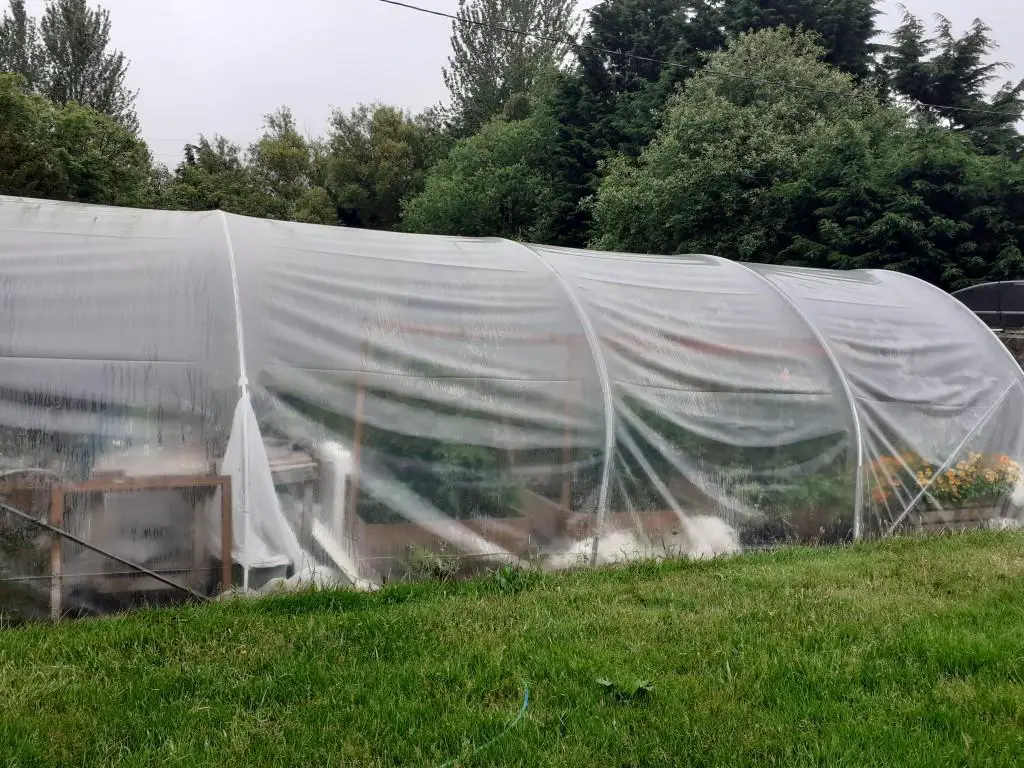
Low tunnels are hoops (made from wire, PVC, or metal) covered with row fabric or clear plastic. They create a protected microclimate over an entire bed. Clear plastic traps more heat than fabric but requires venting on sunny days to prevent overheating.
Polytunnels and Greenhouses:
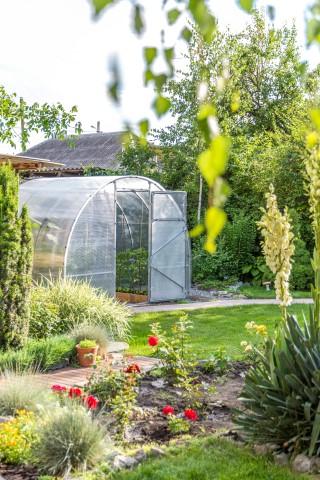
If you have the space and budget, a small polytunnel or greenhouse can greatly expand your winter options. Even unheated, these structures capture enough warmth to keep hardy greens thriving through most of winter.
4. Soil Health and Winter Composting
Winter gardening isn’t just about protecting plants—it’s also a great time to build and maintain healthy soil. Adding a layer of compost before winter does several things: it insulates the soil, provides slow-release nutrients for overwintering crops, and improves soil structure. Microbial activity slows down but doesn’t stop entirely in winter, so compost will continue to break down gradually.
If you’re not planting a particular bed for winter, consider cover cropping. Fast-growing cover crops like winter rye, vetch, or clover can prevent soil erosion, suppress weeds, and fix nitrogen. Come spring, these can be cut down and incorporated into the soil, enriching it for next year’s crops.
You can also keep your compost pile active in winter by layering “greens” (kitchen scraps) and “browns” (dry leaves, straw) and keeping the pile covered. Even if it slows down, decomposition continues beneath the surface.
5. Benefits Beyond the Harvest
Winter gardening offers more than just fresh food. By keeping your beds active year-round, you’re improving your soil ecosystem. Many beneficial insects and soil organisms overwinter in garden beds, especially if mulch and plant residues are left in place. This can lead to a more balanced, resilient garden in the spring.
There’s also a mental and physical benefit. Getting outdoors in winter, even briefly, can lift your mood, keep you connected to the rhythms of nature, and provide a welcome sense of productivity during darker months.
6. A Simple Starter Plan
If winter gardening is new to you, start small. Here’s a beginner-friendly plan:
- Late Summer: Sow kale, carrots, and spinach. Plant garlic cloves.
- Early Autumn: Add lettuce, radishes, and beets. Topdress beds with compost.
- Mid Autumn: Install row covers or low tunnels as frosts begin. Mulch root crops deeply.
- Winter: Harvest kale and spinach as needed, dig carrots and beets from under their mulch, and enjoy fresh salads from under your cold frame.
- Early Spring: Uncover overwintered spinach and garlic as they begin to grow again, giving you an early head start.
Conclusion
Winter gardening isn’t just for experts—it’s a practical, rewarding way to extend your growing season and enjoy fresh produce long after most gardens have gone dormant. By choosing cold-hardy crops, planting at the right time, insulating your soil, and using simple protection methods, you can keep your garden productive well into the cold months. With a bit of preparation, your winter beds can become some of the easiest and most rewarding parts of your gardening year.
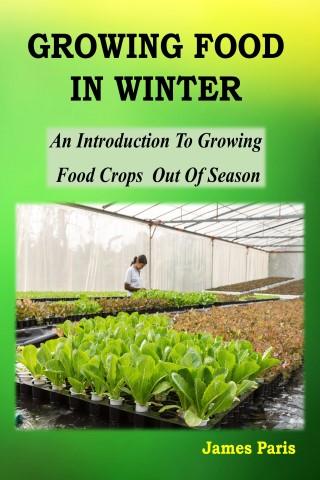
Collect your Winter Gardening Guide on Amazon Here…
Recent Posts
Has your philodendron turned into a leafy monster? Whether it’s climbing up the curtains or spreading across the patio, large philodendrons can grow out of control fast. The good news...
Strawberries are surprisingly hardy, but if you’re growing them in raised beds, they need a little extra protection to make it through winter. The soil in raised beds cools down faster than...