
Has your philodendron turned into a leafy monster?

Whether it’s climbing up the curtains or spreading across the patio, large philodendrons can grow out of control fast. The good news is—they’re also incredibly forgiving plants.
With the right approach, you can prune a philodendron hard without hurting it. In fact, regular pruning keeps it looking healthier, fuller, and more compact.
In this guide, you’ll learn everything you need to know about pruning large philodendrons, including:
- How to identify which type of philodendron you have
- The best time and tools for pruning
- Exactly where and how to cut
- How to turn your trimmings into new plants
- And how to care for your philodendron after pruning
🪴 Step 1: Know Your Type of Philodendron
Before you grab the shears, figure out what kind of philodendron you’re working with.
There are two main growth types, and each needs slightly different pruning methods.
Climbing Philodendrons
These include varieties like Philodendron hederaceum (heart-leaf), Brasil, and Micans.
They grow long, flexible vines that can trail from a hanging basket or climb a moss pole.
Climbing philodendrons benefit from regular trimming to encourage bushier growth. Without pruning, they become leggy—lots of bare stem and fewer leaves.
Self-Heading Philodendrons
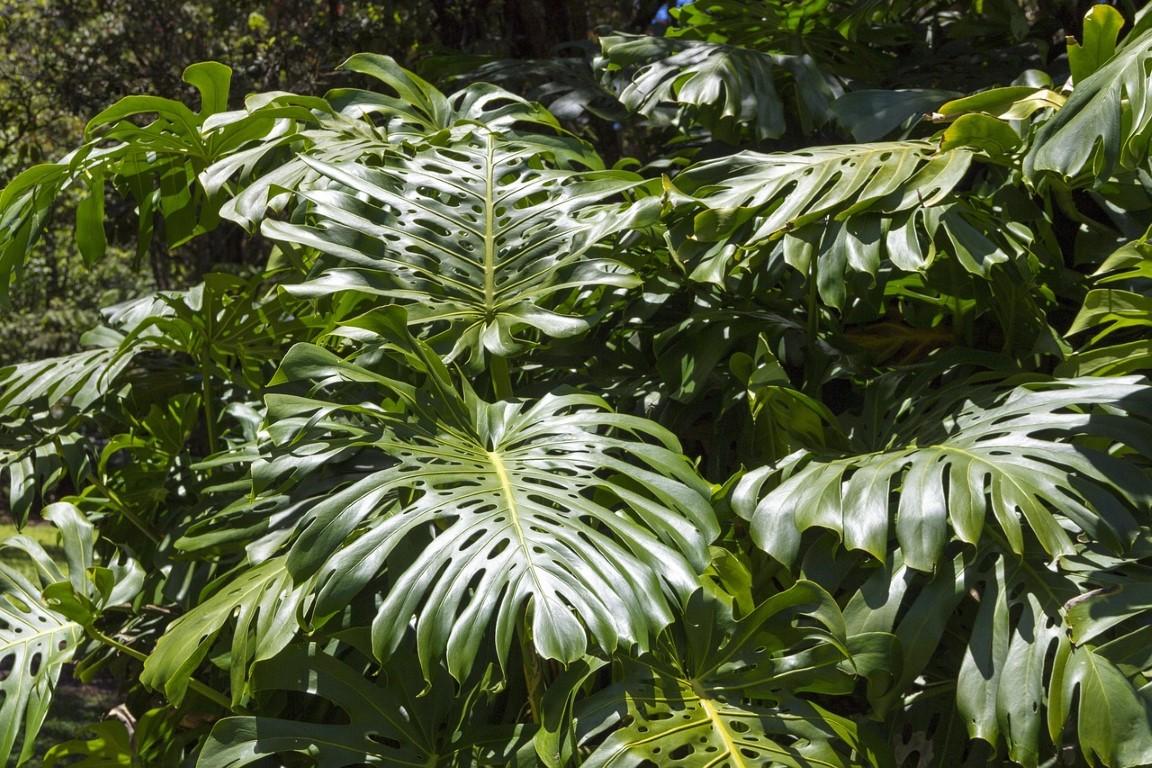
Varieties such as Philodendron selloum (also called bipinnatifidum) or Philodendron xanadu grow upright from a central base with large, divided leaves.
They don’t vine but instead form a single, thick stem or trunk over time.
Self-heading types need more selective pruning to remove old leaves or control size without damaging the growing point at the center.
✂️ Step 2: Why Pruning Matters
Pruning isn’t just about appearance—it keeps your philodendron healthy and productive.
- Removes dead or damaged leaves that can attract pests or disease.
- Encourages new growth from dormant nodes along the stems.
- Improves airflow around the plant, preventing fungal problems.
- Controls size when the plant gets too big for its pot or space.
Left unchecked, philodendrons can grow several feet per year indoors—and even more outdoors in warm climates.
🌤️ Step 3: When to Prune
The best time to prune is spring or early summer, when the plant is actively growing.
This gives it plenty of time to recover and produce new leaves.
You can prune at other times of year if necessary—especially to remove yellow or damaged leaves—but avoid heavy pruning in winter, when growth slows.
If your plant is truly overgrown, it’s often better to do several lighter trims over a few weeks rather than cutting everything back at once.
🧰 Step 4: Gather Your Tools
You don’t need expensive gear, but clean, sharp tools make a big difference.
Here’s what you’ll need:
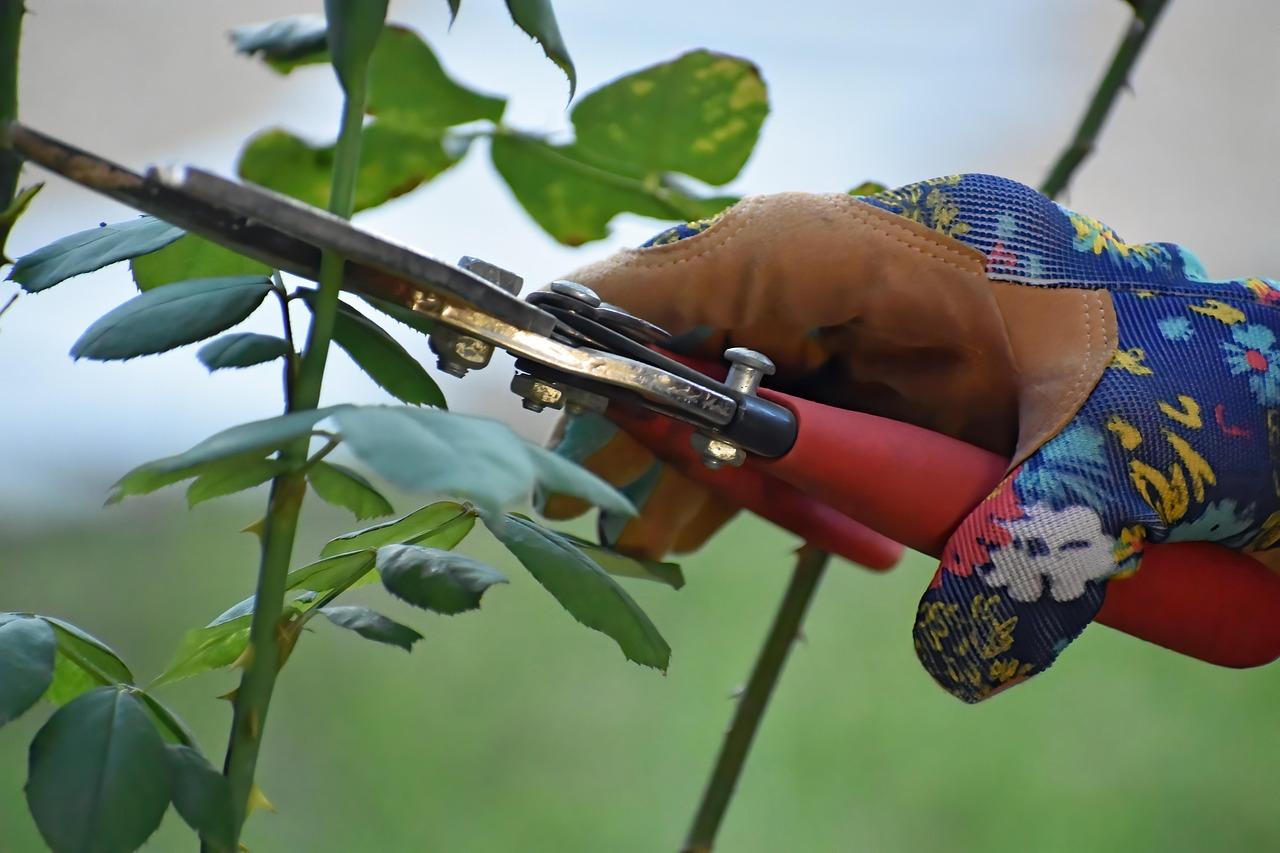
- Sharp pruning shears or garden scissors
- Rubbing alcohol or disinfectant wipes
- Gloves (the sap can irritate skin)
- A small container for cuttings if you plan to propagate
👉 Pro Tip: Always disinfect your shears before and after pruning. Philodendrons can develop bacterial infections if tools are dirty.
🌱 Step 5: How to Prune a Climbing Philodendron
Follow each vine and look for these signs that it’s time to prune:
- Long, bare stems with few leaves
- Tangled vines wrapping around each other
- Yellowing or drooping leaves
Where to cut:
Make your cuts just above a leaf node—the small bump where a leaf or aerial root joins the stem.
That’s where new shoots will form.
You can safely remove up to one-third of the plant at a time. Don’t be afraid—these plants are tough and recover quickly.
If you want a bushier look, trim a few vines to different lengths so new growth emerges at staggered heights.
🌿 Step 6: How to Prune a Self-Heading Philodendron
For larger self-heading varieties like Philodendron selloum, start by removing:
- Yellow or brown leaves at the base
- Stems growing awkwardly or crowding others
- Any leaves touching walls or furniture
Cut stems right back to the main trunk or crown. Avoid cutting into the central growing point—this is where new leaves emerge.
If your plant is truly massive, you can even remove entire branches to reduce size. Just make sure to leave at least two-thirds of the foliage intact so it can keep photosynthesizing and recover.
🌿 Step 7: Propagate Your Cuttings
One of the great things about philodendrons is how easily they propagate.
Instead of tossing your trimmings, turn them into new plants.
How to Propagate in Water
- Take a cutting with at least one node and one healthy leaf.
- Place it in a jar of clean water.
- Change the water every few days to prevent stagnation.
- After 2–4 weeks, roots should appear.
Once the roots are 2–3 inches long, plant the cutting in fresh potting mix.
How to Propagate in Soil
Dip the cut end in rooting hormone (optional) and plant it directly into moist potting soil.
Keep humidity high until roots form—covering the pot loosely with a plastic bag works well.
☀️ Step 8: Aftercare and Recovery
After pruning, your philodendron may look a little bare, but it will recover fast.
Here’s how to help it bounce back:
- Place it in bright, indirect light—not direct sun.
- Hold off on fertilizer for about two weeks.
- Keep the soil slightly moist, but not soggy.
- If outdoors, watch for sunburned spots on newly exposed stems.
Within a month, you’ll start seeing fresh growth emerging from the nodes or crown.
🚫 Common Pruning Mistakes to Avoid
- Cutting too much at once. Removing more than one-third of the leaves can stress the plant.
- Using dull or dirty tools. This can tear stems and invite disease.
- Ignoring the nodes. Always cut just above a node to encourage regrowth.
- Overwatering after pruning. A recently pruned plant needs less water until new growth begins.
🌼 Step 9: Long-Term Maintenance
To keep your philodendron looking great:
- Prune lightly every few months instead of waiting until it’s overgrown.
- Wipe the leaves occasionally to remove dust.
- Rotate the pot every few weeks so all sides get even light.
- Give climbing types a moss pole or trellis for support.
Small, consistent care makes for a healthy, attractive plant that won’t overwhelm your space.
❓ Philodendron Pruning FAQ
Q: Can I cut a philodendron all the way back?
Yes, you can cut it back hard if it’s overgrown. Just leave a few healthy nodes or leaves so it can regrow.
Q: Will pruning make my philodendron bushier?
Absolutely. Trimming encourages new side shoots and fuller growth.
Q: Can I prune a philodendron in winter?
You can remove damaged leaves anytime, but save major pruning for spring or summer.
Q: Is it okay to prune roots when repotting?
Yes—trim off any dead, black, or mushy roots, but don’t remove healthy ones.
🌿 Final Thoughts
Pruning a large philodendron might look intimidating, but once you start, you’ll realize it’s simple—and your plant will thank you for it.
A few clean cuts can transform a tangled jungle into a lush, sculptural centerpiece.
Plus, with all those easy-to-root cuttings, you might end up with a whole new generation of philodendrons to share.
Take your time, prune thoughtfully, and enjoy watching your plant grow back stronger than ever.
Recent Posts
Winter Gardening: Growing Food Through the Cold Months When autumn arrives and summer crops start to fade, many gardeners hang up their tools for the year. But with a little planning and the right...
Strawberries are surprisingly hardy, but if you’re growing them in raised beds, they need a little extra protection to make it through winter. The soil in raised beds cools down faster than...